Segmentation
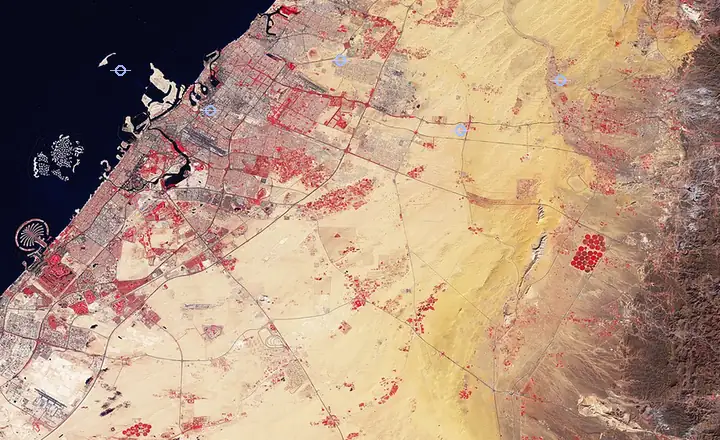
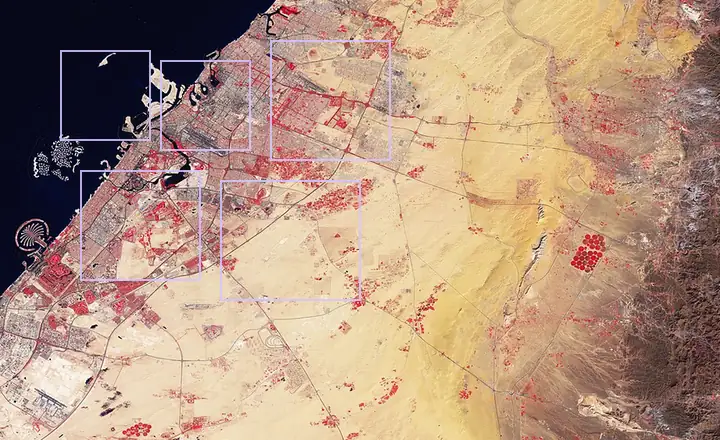
Regions on the frame, cut before anything is named.
Platforms
Atlas is the agentic GeoAI system. It sits on an open-source GIS. A new vertical is a configuration of these engines. The things a person can open are on Products.
Atlas
49° N · 123° W · Segmentation
Regions on the frame, cut before anything is named.
Two dates, and a zero-shot vision-language pass when the class list is not fixed.
What does not belong in the scene.
A scanned sheet locked to the satellite frame. It fails closed when the residual is too high.
Atlas is built. Segmentation, change detection, anomaly detection, and automatic georeferencing are in the system. Change detection includes a zero-shot vision-language pass when the class list is not fixed.
Change detection uses a frozen vision transformer, a small head on the difference between two dates, and a classical channel beside it: a plain difference, a structure comparison, and edges. Where the learned score is weak, the classical channel keeps the answer honest.
Automatic georeferencing matches a scanned sheet to the satellite frame, warps it, and fails closed when the residual is too high.
Maritime reinforcement-learning autonomy sits on this stack. The write-up is on Projects.
Engines
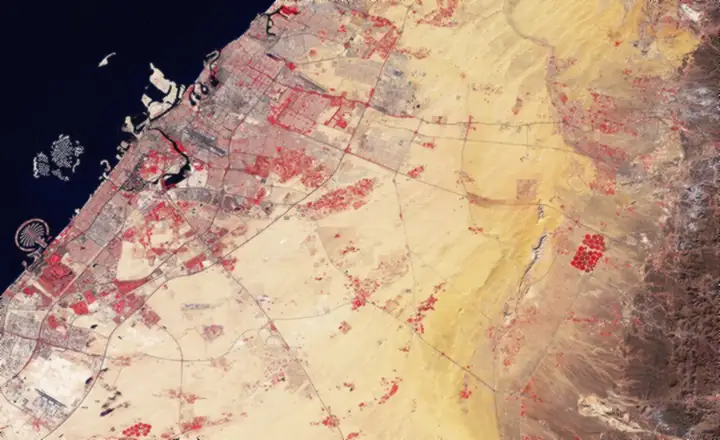
Optical frames, synthetic aperture radar, near infrared, shortwave infrared, lidar, bathymetry, radio, drone stills, and weather. Brought onto one ground.
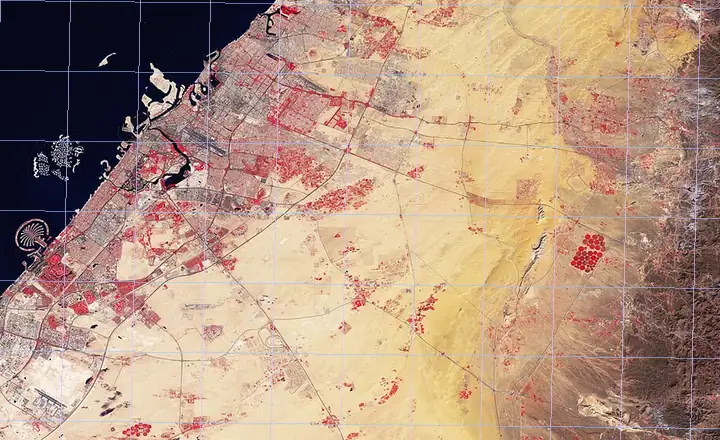
Tie a second sensor, or a scanned sheet, to that same ground. Reject the tie when the residual is too high.
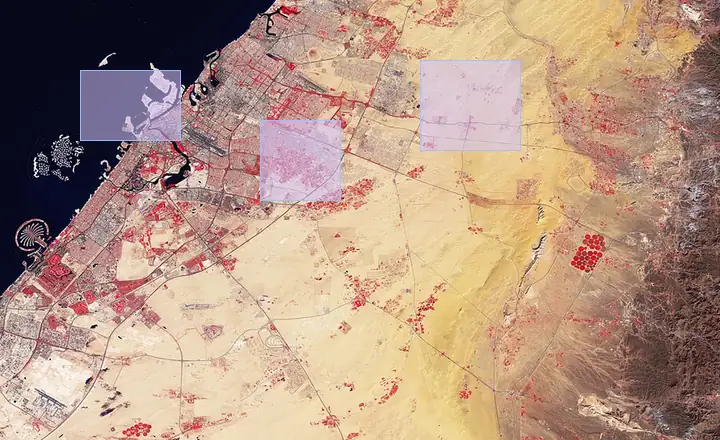
Change, anomaly, segmentation, count. A frozen vision transformer, a small head on the difference, and a classical channel beside it so a weak learned score does not win by default.
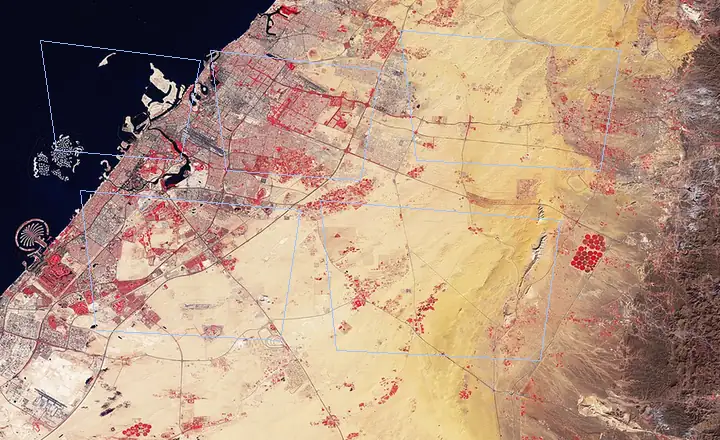
When the class list is not fixed, a vision-language pass proposes the name. Zero-shot, inside the change detector.
An agent with tools on an open-source GIS: rasters, tiles, detectors, the map itself. It can propose the next look.
Lineage on the answer. An air-gapped deploy when the data cannot leave the building.